The 2026 ODAC Dermatology Conference in Orlando provided a high-impact bridge between complex pathology and chair-side clinical practice. This year’s sessions balanced cutting-edge systemic data with the “art” of everyday dermatology.
A Message from the Chair
As Dr. Adam Friedman, Meeting Co-Chair and host of the JDD Podcast: Ask the Investigator, reflected:
“ODAC 2026 was a powerful reminder of why this meeting continues to resonate year after year. We deliver practical, practice-changing education, AND we’re never afraid to innovate. This year we pushed that legacy forward with first ever experiences for ODAC, from a live recording of the Journal of Drugs in Dermatology podcast (my fave) to hands on procedural learning through our cadaver lab, mini ‘Lab to Label’ vehicle conference, and a deroofing session that was as memorable as it was educational….even if it happened to be too sugary. Pairing that creativity with meaningful initiatives like the Sun Pharma Residents Mentorship Program reinforces what ODAC does best: bringing together real-world clinical insight, next generation training, and a sense of community that keeps this meeting both relevant and fun.”
1. Dermatology & Rheumatology Crossroads
Speaker: Anthony Fernandez, MD, PhD
Skin findings are often the “sentinel” indicators for systemic disease. This session focused on early identification to prevent irreversible organ damage.
Cutaneous Lupus Erythematosus (CLE)
- Subtype Nuances: Acute (malar), Subacute (annular/papulosquamous), and Discoid (scarring).
- Workup Pearl: While labs like ANA or anti-dsDNA are supportive, they do not replace clinicopathologic correlation. Biopsy remains the gold standard for atypical or resistant cases.
Dermatomyositis (DM)
- Classic Signs: Heliotrope rash, Gottron papules, and the “Holster sign.”
- The MDA5 Phenotype: A critical “red flag.” Patients presenting with painful palmar papules and ulcerations are at high risk for Interstitial Lung Disease (ILD) and require urgent multidisciplinary care.
- Systemic Anchor: Hydroxychloroquine (HCQ) remains foundational. Current safety guidelines recommend a target dose of ≤5 mg/kg/day (real body weight) to mitigate retinal toxicity risk.
2. Treating Keloids with Confidence
Speaker: Hillary Baldwin, MD
Keloids are a chronic fibroproliferative disorder, and successful management requires moving beyond the “one-shot” mindset.
- Multimodal Therapy: Combining Intralesional Triamcinolone (TAC) with 5-FU every 4–6 weeks often yields superior flattening with less risk of skin atrophy or hypopigmentation.
- Surgical Strategy: Excision alone is almost guaranteed to result in recurrence. Best practice dictates excision followed by immediate postoperative adjuvant therapy (IL injections or radiation for refractory cases).
- Success Metric: Define success as symptom control (relief from pain/itch) and flattening, rather than total scar erasure.
3. Atopic Dermatitis & Regional Eczemas
Speaker: Peter A. Lio, MD
The evolution of AD treatment is now focused on precision therapy and localized disease, particularly Chronic Hand Eczema (CHE).
Breakthrough Approval: Anzupgo (Delgocitinib)
A major highlight was the clinical use of Anzupgo (delgocitinib), the first FDA-approved topical pan-JAK inhibitor for moderate-to-severe CHE. Unlike other topical JAKs, it does not carry a boxed warning, offering a significant new tool for patients who fail topical steroids.
The Expanding AD Toolkit
- Tapinarof (VTAMA): Now FDA-approved for AD in adults and children as young as 2 years old, expanding non-steroidal options.
- Roflumilast Cream: Showing strong Phase 3 data and moving into real-world practice.
- Systemic Selection: New biologics like Nemolizumab (targeting itch) join established therapies like Dupilumab and Lebrikizumab, allowing for therapy selection based on specific patient itch burden and preference.
4. The Art and Science of Skincare Formulation
Speakers: Adam Friedman, MD; Hilary Baldwin, MD; and Kavita Mariwalla, MD
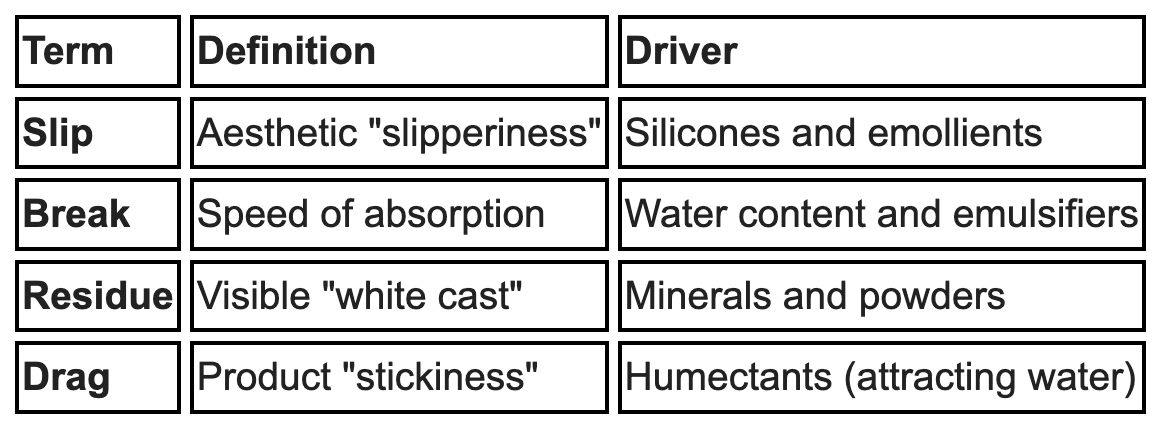
Understanding “vehicle science” is essential for improving patient adherence and outcomes.
The Assessment Guidelines
Clinical Highlights in Over-the-Counter (OTC) Care
- Neutrogena Hydro Boost: The Gel Cream offers weightless hydration for sensitive skin, while the Water Cream provides a 72-hour moisture barrier boost for extra-dry skin.
- Aveeno Skin Relief Healing Ointment: A fragrance-free, oat-based formulation designed to repair the skin barrier 2X faster than untreated skin.